
I want to start off by saying if the food we eat isn’t whole, natural food in which we must prepare ourselves, it is considered processed food for the simplicity of this topic.
This topic is lengthy. I encourage you to print this page and related blog articles for your reference when you shop for groceries. I am not a nutritionist, so I will not be discussing nutrition. However, a quick internet search combined with what your doctors state will support this topic. Several ingredients may be familiar to you if you have read, What the Toxin?!, already. It’s ok if you haven’t read it yet. We won’t dive too deeply, but you’ll still understand the information.
Truth About Food is a topic many of us face each day, and at our annual medical blood work for our physicals. This is not intended to be medical advice. It’s things I have observed during my times reading labels and researching online with guidance from my doctors like many of you. There will be parts that may be relevant to your religious beliefs, and some of you may not have the same religious beliefs. If you want more information about scripture-referenced food, head over to The Bible Says What? after reading this topic for more details.
Housekeeping:
Before we get too involved, I want to cover some housekeeping about this page and how I write about these types of topics. Please understand this is a learning curve for many. I have comments turned off on these main pages to keep the information as clear as possible. The information gets technical and there is a lot of it. It is impossible to cover everything, so I will only address the major parts of the topic to help give you a more clear and better understanding of the topic.
Instead of formally citing the information I’ve written about, you will see blue highlighted text within the paragraphs that when clicked, will take you to a credible source to support my argument. Most, if not all, of my sources are directly from U.S. and global government agencies. This topic is not a secret, but it’s not always easy to read or sort through. Many other bloggers and websites do their best to explain this information, but my purpose is to use my knowledge and experience I have gained from my professional and academic career to help you understand the importance of this issue in ways that are clear, credible, and educational.
Some of the issues regarding these topics are indeed political and/or religious. However, it is not my intent to argue who is right and who is wrong, or to preach to anyone reading this blog. I’m simply relaying information I have learned to you. Take in what applies to you and ignore the rest as you see fit.
Please understand the nature of these topics may be triggering for you. It certainly was for my family and me. I understand the fear, guilt, regret, and outrage you may experience as you learn through this journey with me. Change is uncomfortable and many times, so is the truth. Be patient with yourself, others and me as you process this information. I firmly believe you will have a better understanding to help you make better decisions through this journey. So, stick with me and let’s get started.
My Experience
My desire to become healthier has led me to read labels closer, and try to eat less processed food and at restaurants, as well as researching ingredients and more. Some things started to become more clear which led to a deeper food research journey that I now want to share with you.
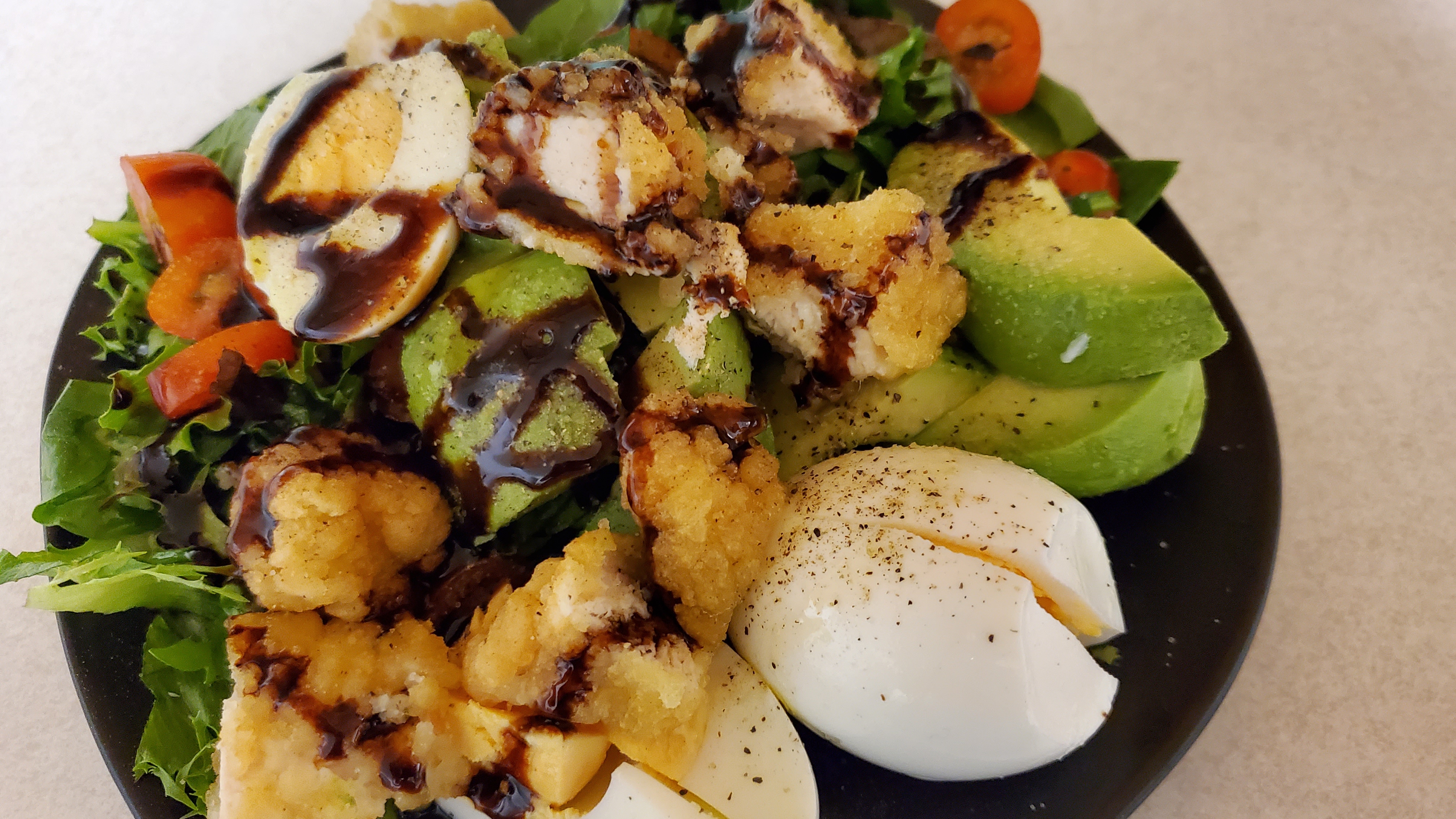

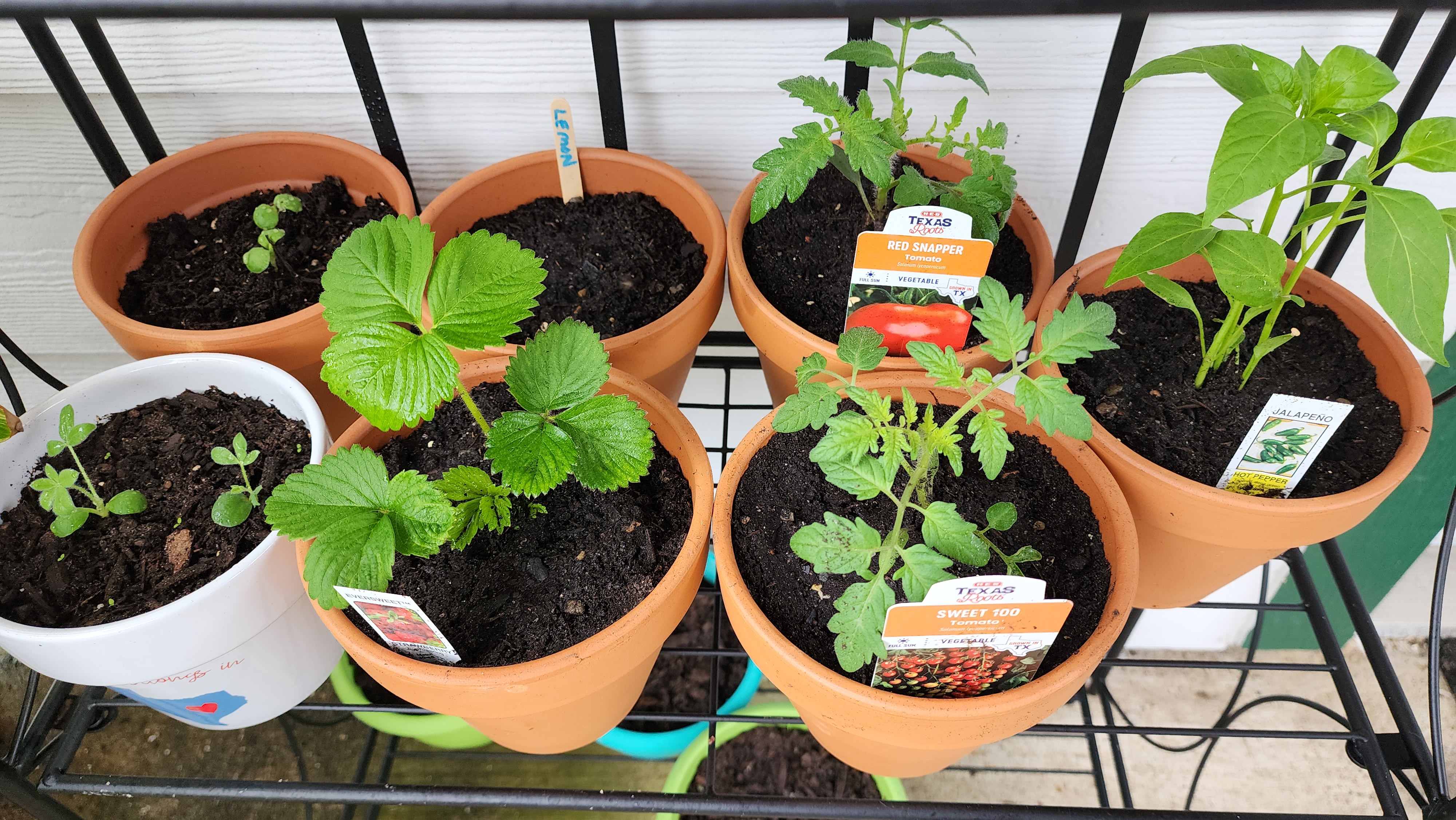
My food journey has led me to be more aware and proactive about the food my family eats. I’m not only diligent about reading ingredient labels, I’m also more conscious of the types of food we eat and the amounts of the same type of food.
Truth About Processed Food
All processed food (food other people make for us) all contain ingredients which help minimize the whole food ingredients used in the food (fillers), various flavor enhancers (oils, fat, sodium, sugar), and preservatives (like benzoic acid). While these ingredients may be generally recognized as safe by the FDA in any one finished food product, we have to stop to think about just how much of it we’re really eating. Our foods definitely add up throughout the day, week, month, year, and decades. All of this can play a toll on our health without us even realizing it. The unfortunate part is the fact that many of us think we’re eating well, but we really aren’t. I’m here to show you that. (Think big picture).
Oils are Everywhere
Think of the times you have read ingredient labels (if you haven’t, you should start). I’m not talking about the nutrition labels. I’m talking about the fine print ingredient labels. The part that will show you if the calories are empty or not. How many products do you remember seeing oils like soy, cottonseed, safflower, sunflower, etc.? They’re in most of our processed food from bread and pastries to frozen dinners. Think of all the products you eat all day that have those oils in them, including canola, “vegetable,” and olive, How much oil do you believe you consume all day and all week? A lot, right? Now, think of all the fast food and restaurants you stop to eat at each week. Let’s not forget about margarine. That’s oil, too! How much oil do you believe you add to the other oils you consume? Starting to get a little obvious, we all eat too much oil, huh?
Now, think about the types of oils we’re eating. All of these oils are plant-based oils. Many of them are seed oils. All of them are said to be healthy by experts. Certainly better than animal fat, right? We’ve all heard it, but haven’t we also heard too much of a good thing can also be bad? Let’s take a look at that.
Omega 6 fatty Acids
These are generally found in plant-based foods, especially oil. Omega 6 isn’t necessarily a bad thing, but when you consume too much, it can start to cause problems. Take a look at this article from Mount Sinai and for the more scientific reading, this article from the NIH, Health Implications of High Dietary Omega-6 Polyunsaturated Fatty Acids.
Titanium Dioxide
Many of us have heard about the controversy regarding titanium dioxide. It made its rounds on national and global news when it was found that many candies contained the ingredient. Even the EWG published an article about it. Candy isn’t the only place this questionable ingredient is found. It can be found in:
- Suncreen
- Cosmetics
- Plastics
- Toothpaste
- Paints
- Processed foods
This is just to name a few. It’s also listed on our What the Toxin? page. It’s a common ingredient found lurking in the ingredient label towards the bottom of the list.
The EWG Dirty Dozen Guide to Food Chemicals: The Top 12 to Avoid
This article created by the Environmental Working Group is a simple breakdown of how our processed food is contaminated with potential toxins, even though they are “generally recognized as safe” by the FDA. Sound familiar? Let’s take a look at their dirty dozen.
- Nitrates and nitrites
- Potassium bromate
- Propyl paraben
- BHA
- BHT
- TBHQ
- Titanium dioxide
- BVO
- PFAS
- Artificial colors
- Artificial sweeteners
- Heavy metals
The EWG also has a great online learning blog dedicated to Food Chemicals.
Harvard Medical School has also published an online article, Common food additives and chemicals harmful to children. Part of the information contained in this article is quoted below:
“In a policy statement entitled Food Additives and Child Health, the American Academy of Pediatrics warns about these harms — and points out that they often are worse for children. Children are smaller, so their “dose” of any given chemical ends up being higher. They put their hands in their mouths more than adults do, so they are likely to ingest more. Their bodies are still developing, so they can be more at risk of harm — and they are young, so the chemicals have more time to do more damage.
In particular, the policy statement warns about:
- Bisphenols, such as BPA. They can act like the hormone estrogen and interfere with puberty and fertility. Bisphenols can also increase body fat, and cause problems with the immune system and nervous system. They are found in the lining of food and soda cans, plastics with the number 3 or 7, and cash register receipts, among other places. They used to be found in plastic baby bottles and sippy cups; while this has been banned, older bottles and cups may still contain them.
- Phthalates. These can also act like hormones, interfering with male genital development, and can increase the risk of obesity and cardiovascular disease. They are ubiquitous, found not just in plastic packaging, garden hoses, and inflatable toys, but also in things like nail polish, hairsprays, lotions, and fragrances.
- Perfluoroalkyl chemicals (PFCs). They can lead to low-birthweight babies, as well as problems with the immune system, the thyroid, and fertility. They are commonly found in grease-proof paper, cardboard packaging, and commercial household products such as water-repellent fabric and nonstick pans, among other places.
- Perchlorate. This chemical also interferes with thyroid function, and can disrupt early brain development. It’s found in some dry food packaging — it’s used to decrease static electricity — and sometimes in drinking water.
- Artificial food colors. These have been found to increase symptoms in children who have attention deficit hyperactivity disorder, or ADHD. They are found in all sorts of food products, but especially those marketed for children.
- Nitrates and nitrites. These can interfere with the thyroid, as well as with the blood’s ability to deliver oxygen to the body. They can also increase the risk of certain cancers. They are used to preserve food and enhance its color. They are commonly found in processed foods, especially meats.
So what is a parent to do about food additives and chemicals?
These chemicals are truly everywhere, and impossible to avoid completely. Here is what the AAP suggests:
- Buy and serve more fresh or frozen fruits and vegetables, and fewer processed meats, especially during pregnancy.
- Since heat can cause plastics to leak BPA and phthalates into food, avoid microwaving food or beverages in plastic containers. Also: wash plastics by hand rather than putting them in the dishwasher.
- Use more glass and stainless steel instead of plastic.
- Avoid plastics with the numbers 3, 6, and 7 on them.
- Wash hands thoroughly before and after touching food, and clean all fruits and vegetables well.
And here are a few more ideas:
- Cut back on canned foods and beverages in general.
- Cut back on fast food and processed foods.
- Read labels. Get to know what is in the products you use.
- Look for lotions, soaps, and other products that are made naturally — and are fragrance-free.
- Consider making your own home cleaning products. You’d be amazed what a little baking soda or vinegar can do.
The idea isn’t to get paranoid (although that’s an understandable feeling) ;the idea is to get informed — and to make some simple changes that can go a long way toward keeping children and their families healthier.”
https://www.health.harvard.edu/blog/common-food-additives-and-chemicals-harmful-to-children-2018072414326
Journal of Epidemiology & Community Health has published an article, Persistent toxic chemicals in the US food supply, which discusses the widespread infiltration of toxic chemicals throughout our entire food supply which aren’t necessarily found in the ingredient label.
THE BIG PICTURE
The point of briefly discussing concerning ingredients in our food is to show toxins and potential toxins are in all our products and processes food. It is very important to understand how closely we must read the ingredients list labels beyond fancy front packaging labels and research ingredients we don’t know.
As with products, the more we consume foods others have made, and even grown, the less we know about what our families and we are actually eating. This goes far beyond calorie and fat counting. A seemingly innocent meal may very well contain ingredients that could affect our health.
It’s also a compounding problem. Think of the processed and restaurant foods you eat. Each time you eat a food that contains a concerning ingredient, your consumption of that ingredient builds over a short period of time to the point where you’re consuming a lot more of that ingredient than you realize. It’s much like salt and sugar.
For example, say you eat cereal in the morning and that cereal contains soy oil. Then, for a snack, you grab a bagel, and that bagel is made with soy oil. Then, for lunch, you decide on a salad, and that salad dressing is made with soy oil. Then, you grab another snack, some crackers, and they are also made with soy oil. Then, dinner time comes around, and you decide you just want a quick frozen dinner, and its ingredients also contain soy oil. Do you know how much soy oil and Omega 6 you ate in that single day? How about a week? A month? A year? A decade? Meanwhile, you think you were eating a healthy diet, but yet, it was still unbalanced for the sake of something promoted as quick and convenient.
It all adds up bite-by-bite, just like our products add up.
What Do We Do?
I invite you to take the journey with me. There are too many web pages, videos, and influencers who love to share what is wrong without showing what you can do about it. I am here to share what my family and I are doing to improve our lives.
Search my blog posts for products we personally use, recipes, and other tips to help you start or improve your journey to living clean naturally.
 Living Clean Naturally
You must be logged in to post a comment.